Water heater repair.
Even at 6 to 8 grains, minerals settle in a tank. A heater that pops and rumbles is boiling water under a layer of scale.
Lake Zurich is still on deep well water. Lake Michigan water is not due until about December 2028, and until then the water in your pipes comes out of the ground.
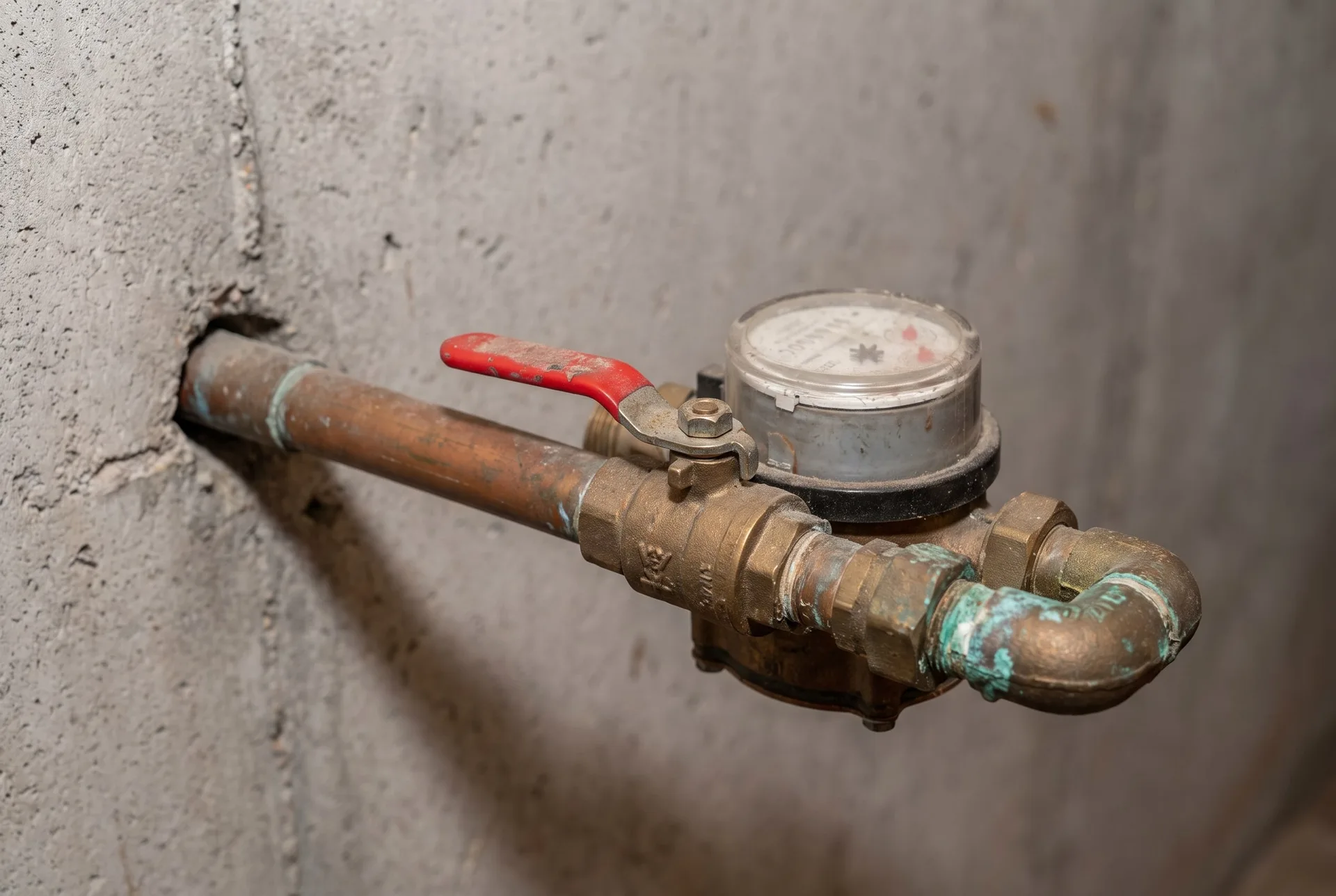
Groundwater, not lake water. The village draws from five deep wells sunk into the sandstone aquifer under the village, and most homes get a blend from more than one of them. That is unusual for this part of Lake County, where most towns went over to Lake Michigan water years ago.
Radium occurs naturally in that deep aquifer above the federal limit of 5 pCi/L. The village signed a compliance agreement with the Illinois EPA in 2002 and spent about $9.5 million by 2009 on ion exchange treatment. The side effect matters to your plumbing. The same treatment cut hardness from 14 to 18 grains per gallon down to 6 to 8.
The village says a softener here is a matter of preference rather than a need, and publishes instructions for resetting one to 6 to 8 grains or bypassing it. A softener still set for raw well water burns salt for nothing. If yours regenerates every couple of days, start there, and water softener installation and repair covers the rest.
Not to a plant in town. Lake Zurich collects through 93 miles of sanitary sewer and 16 lift stations, then sends it all to a Lake County Public Works treatment plant over in Buffalo Grove. That arrangement started in March 1994. Both the county sewer use ordinance and the village code bar sump pumps, footing drains and roof drains from the sanitary sewer, and the rules for where the water goes instead are specific.
Five deep wells in the St. Peter and Galesville sandstone, all inside the village boundary, per the 2026 drinking water quality report covering 2025 testing. Source for Water source
6 to 8 grains per gallon after treatment, down from 14 to 18 grains before the ion exchange plant went in between 2003 and 2009. Source for Hardness
The village joined the regional water agency on May 24, 2024. A 7 mile, 24 inch pipeline from Vernon Hills is meant to deliver water in December 2028. Source for Lake Michigan water
A buy in of $21,857,496, worked out at $2,973 for each of 7,352 housing units, repaid over 30 years at zero interest. That is the figure published as of September 2026. Ask the village how it reaches your water bill. Source for What the switch costs the village
33 lead lines out of 6,884, about one in two hundred, in the inventory dated March 25, 2026. Two more are galvanized and due for replacement, and nine are unknown. Source for Lead service lines
Village engineering code sends the discharge to the nearest storm sewer through a French drain. Where there is no storm sewer, it has to land at least 10 feet from the foundation and 10 feet from any property line. Source for Sump pump discharge
Even at 6 to 8 grains, minerals settle in a tank. A heater that pops and rumbles is boiling water under a layer of scale.
A slow tub or sink in a softened water house is usually soap and hair, not mineral. The cheapest fix here.
The village says residual minerals can still leave spots after treatment. That is cosmetic, not a fault.
The pump matters more than the rule book, but the rule book decides where the water goes.
Wells, for now. The village pumps from five deep wells and treats for radium. It joined the regional lake water agency in May 2024, and the pipeline is aimed at December 2028. Confirm the date with the village, because a pipeline schedule can move.
The village calls it a matter of personal preference. Treated water here runs 6 to 8 grains per gallon. If you have one already, the village publishes how to reset it to that range or bypass it, which cuts your salt use sharply.
Probably not. The village inventory dated March 25, 2026 found 33 lead lines out of 6,884, with two galvanized lines still due for replacement and nine unknown. You can look up your own address in the published inventory.
Yes. Village code requires a plumbing permit for adding or altering plumbing appliances, water heaters included, and the village listed 7 to 15 business days for one in September 2026. The village issues the permit, but Lake County does the inspection, booked 48 hours ahead.
The village names them: rodding a drain, fixing a faucet, resetting a toilet, fixing a leaking valve, and replacing a sump or ejector pump. Anything that adds or alters a fixture or an appliance does need one.
No. The county sewer use ordinance and village engineering code both forbid it, along with footing and roof drains. The discharge goes to a storm sewer through a French drain, or stays 10 feet from your foundation and 10 feet from the property line.
Four lines is plenty. The plumber who takes it asks the rest.
Say if it is running, bypassed, or you are not sure which.
Clear, rusty, or cloudy. Each one points somewhere different.
Under a sink, at the heater, or in the basement.
The village drains to Buffalo Creek, Indian Creek, Flint Creek and the lake itself.
Pick whichever is closest, or write the problem in your own words.
Lake Zurich sewage is treated over in Buffalo Grove, so plumbers in Buffalo Grove work the other end of the same system, and the new water pipeline starts near plumbers in Vernon Hills.
Tell us what it is doing and which street you are on. A person reads every request. If we cannot place it with a licensed plumber who covers Lake Zurich, we tell you. If it is urgent, do not wait on us. Call a local licensed plumber directly.